
Not every tattoo will look exactly the same as when it was first created. Lines can become softer, colors may appear faded, and certain details may no longer look as clear as they once did.
When these changes become noticeable, a tattoo touch-up may help refresh the artwork while preserving its original design.
However, not every change means your tattoo needs additional work. Some differences are part of the normal healing process, while others develop gradually as the tattoo ages.
Understanding the signs, timing, and limitations of a touch-up can help you decide whether your tattoo needs attention or whether it is better to leave the artwork as it is.
Quick Answer
A tattoo touch-up is a process used to refresh selected areas of an existing tattoo, such as faded colors, less defined lines, or details that have lost clarity.
A touch-up should generally be considered only after the tattoo has healed sufficiently for its condition to be evaluated.
Not every faded or softened tattoo requires additional work. The decision depends on the artwork’s condition, its original style, and the appearance you want to maintain.
Key Takeaways
- A tattoo touch-up refreshes existing artwork without significantly changing the original design.
- Normal changes during healing do not automatically mean that a tattoo needs a touch-up.
- Faded colors, softened lines, and reduced detail may be reasons to request an evaluation.
- A touch-up does not necessarily involve reworking the entire tattoo.
- Different tattoo styles may require different approaches to refreshing their appearance.
- Some changes cannot be corrected effectively through a touch-up alone.
- A cover-up may be more appropriate when the goal is to significantly change an existing design.
- The original tattoo artist may be a good first choice for evaluating the artwork.
- Proper aftercare remains important following a touch-up.
What Is a Tattoo Touch-Up?
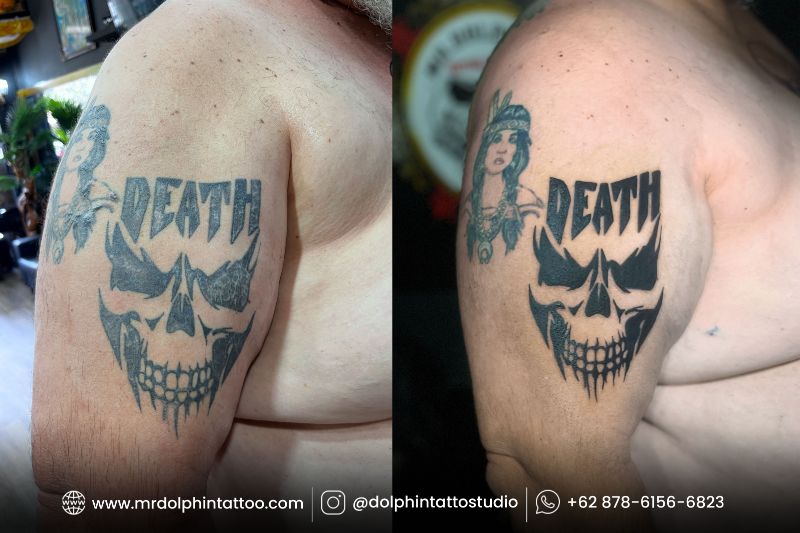
A tattoo touch-up is the process of refreshing or reinforcing selected parts of an existing tattoo.
Its purpose is to improve the appearance of the artwork while maintaining the original design.
A touch-up may involve strengthening lines that have become less defined, refreshing areas where color appears uneven, or improving details that have lost some clarity.
The artist begins by examining the tattoo’s current condition and identifying which areas may benefit from additional work.
Some parts of the tattoo may still look good and require no changes.
This distinction matters because a touch-up is not simply about making every line darker or adding more ink throughout the entire design.
Instead, the goal is to make targeted adjustments that support the appearance of the existing artwork.
Normal Changes During the Tattoo Healing Process
A new tattoo does not immediately show its final healed appearance.
During healing, the skin goes through several stages that can temporarily affect how the artwork looks.
Colors may appear less vibrant, lines may seem different, and the skin’s surface can change as it recovers.
These changes can sometimes make a tattoo owner concerned that the artwork needs correction.
However, evaluating a tattoo too early may lead to unnecessary conclusions.
The tattoo should be sufficiently healed before an artist determines whether any areas need additional attention.
Our guide to the tattoo healing process explains what to expect as a new tattoo develops its healed appearance.
If the tattooed area develops unusual symptoms, worsening irritation, or other concerning changes, seek advice from an appropriate healthcare professional rather than assuming the issue can be corrected through a touch-up.
Signs Your Tattoo May Need a Touch-Up
Once a tattoo has healed sufficiently, certain changes may be worth discussing with an artist.
These signs do not automatically mean additional tattooing is necessary. Instead, they can help identify areas that may benefit from professional evaluation.
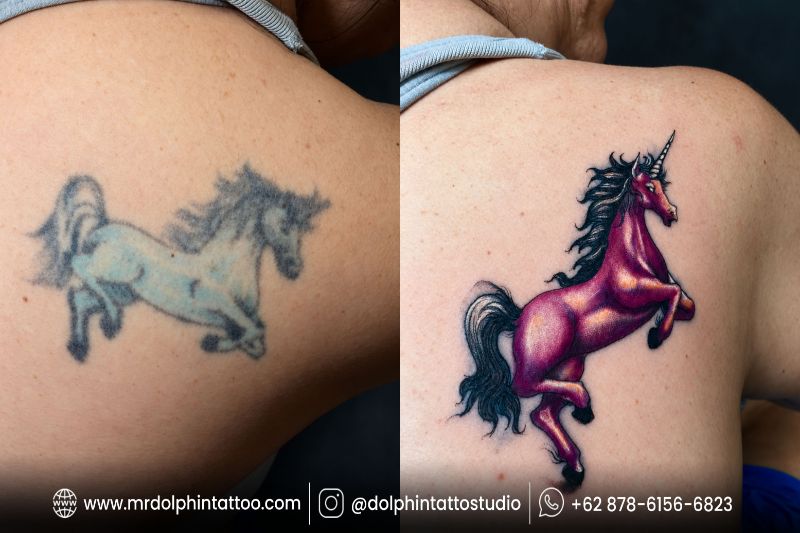
The Color Starts to Look Faded
Colors that once appeared vibrant may gradually look softer or less intense.
This can become noticeable in tattoos where color plays an important role in the overall composition.
For example, one section of a colorful design may appear lighter than the surrounding areas.
If the difference affects the visual balance of the artwork, the artist can evaluate whether refreshing selected colors would be appropriate.
The Lines Become Less Defined
Lines that originally looked crisp may appear softer over time.
In tattoos that rely on outlines, this change can affect the clarity of shapes and boundaries.
An artist may be able to reinforce selected lines, depending on the condition of the existing tattoo.
However, adding more ink is not always the best solution, especially when lines have already spread or become crowded.
Details Become Harder to See
Tattoos with small or closely spaced details can experience changes in visual clarity.
Fine elements that were once easy to distinguish may become less noticeable.
The artist should consider whether additional work would improve the design or make the details appear more crowded.
In some cases, preserving the existing artwork may be preferable to attempting further correction.
The Tattoo Starts to Look Uneven
Some areas of a tattoo may appear lighter than others.
This can make the overall artwork look less consistent, particularly when the design depends on balanced shading, color, or linework.
A touch-up may focus on selected areas rather than repeating the entire tattoo.
The most important consideration is whether the proposed adjustment can improve the artwork without compromising its existing composition.
When Does a Tattoo Need a Touch-Up?
There is no universal schedule that determines when every tattoo should receive a touch-up.
The right timing depends on the condition of the artwork rather than simply how many weeks, months, or years have passed.
Touch-Ups After a New Tattoo Has Healed
For a newly created tattoo, it is important to allow sufficient healing before evaluating the final appearance.
During this period, temporary changes in the skin can make certain details look different.
Once healing is sufficiently complete, the artist can assess whether any areas need correction.
The appropriate timing varies according to the tattoo and individual healing circumstances.
Touch-Ups for Older Tattoos
An older tattoo may be considered for a touch-up when changes in its appearance affect the design the owner wants to preserve.
This might involve selected colors, outlines, or shading.
However, age alone is not a reason to rework a tattoo.
An older tattoo that still looks balanced and satisfies its owner may not need additional work.
When Is a Tattoo Touch-Up Unnecessary?
A touch-up is not always the best response to changes in a tattoo’s appearance.
For example, additional work may be unnecessary when the tattoo is still healing or when the existing design remains clear and visually balanced.
Some people also prefer the softer appearance that develops as a tattoo ages.
Other situations require more careful consideration.
If fine lines have already spread together, reinforcing them may not restore their original separation. Similarly, adding ink to a crowded design could make certain details harder to distinguish.
A professional evaluation can help determine whether a touch-up offers a realistic improvement.
The goal should be to preserve or improve the artwork, not to perform additional tattooing simply because the tattoo looks different from the day it was created.
A Touch-Up Does Not Always Need to Cover the Entire Tattoo
When a tattoo needs refreshing, the artist does not necessarily have to rework the whole design.
Certain areas may still retain their original appearance while others need attention.
For example, a few lines may have become less defined, one section may look faded, or selected details may need reinforcement.
The artist can evaluate these differences and decide which areas should be addressed.
A targeted approach helps preserve the original character of the artwork while avoiding unnecessary changes to sections that remain in good condition.
How Tattoo Style Can Affect the Touch-Up Process
Different tattoo styles use different combinations of linework, color, shading, and detail.
Because of these differences, the approach to a touch-up should reflect the characteristics of the existing artwork.

Fine Line Tattoos
Fine line tattoos use delicate lines and often include small details.
When evaluating a fine line tattoo, the artist should consider line clarity, spacing, and the readability of the overall design.
Additional ink may not always improve extremely delicate or closely spaced elements.
Black and Grey Tattoos
Black and grey tattoos rely on tonal variation, shading, and contrast.
A touch-up may focus on selected areas where the original balance between darker and lighter values has changed.
The artist should consider how additional shading could affect the composition.
Color Tattoos
Color tattoos use different hues and levels of saturation to create their visual character.
If certain areas appear faded or uneven, an artist may evaluate whether refreshing selected colors would help restore the intended balance.
The existing ink, skin characteristics, and overall design should guide that decision.
Traditional and Bold Tattoos
Traditional and other bold tattoo styles often emphasize strong outlines, recognizable shapes, and clear areas of color or shading.
Maintaining the relationship between these elements can be important when considering a touch-up.
A careful evaluation helps determine whether particular outlines or sections would benefit from additional work.
There is no single touch-up technique that automatically works for every tattoo style.
When a Tattoo Touch-Up Is No Longer Enough
A touch-up is intended to preserve and refresh an existing tattoo.
However, the owner’s goals may change.
Someone may no longer like the original design, want a different composition, or prefer to transform the tattoo into something new.
In these situations, refreshing the existing lines or colors may not achieve the desired result.
A more substantial design change may require another approach.
Tattoo Touch-Up vs. Cover-Up
The main difference is the purpose of the work.
Tattoo touch-up: Refreshes selected areas while preserving the existing design.
Tattoo cover-up: Uses a new design to change or conceal an existing tattoo.
If you still like your tattoo and only want to improve its appearance, a touch-up may be appropriate.
However, if you want to significantly change the artwork, a tattoo cover-up in Bali may be worth exploring.
The suitability of either option depends on the existing tattoo and the result you want to achieve.
Choosing an Artist for a Tattoo Touch-Up
When possible, returning to the artist who created your original tattoo can be a good starting point.
That artist may already understand the original composition, linework, colors, and shading techniques.
This familiarity can help when evaluating which areas need attention.
If the original artist is unavailable, another experienced tattoo artist may also assess the artwork.
Look for someone whose portfolio demonstrates relevant experience with the tattoo style involved.
The consultation should include a realistic discussion about what can be improved and which changes may not be practical.
If you want to reconnect with the tattoo artist who created the original tattoo, you can begin by sharing photographs of the artwork and explaining which areas you would like evaluated.
What Should You Prepare Before a Tattoo Touch-Up Consultation?
A useful consultation begins with a clear understanding of the existing tattoo and your expectations.
Before contacting the studio, consider preparing:
- Current photographs: Clear images showing the entire tattoo and the areas you are concerned about.
- Original photographs: Earlier images, if available, showing how the tattoo looked after it was first completed.
- Tattoo history: Approximate age of the tattoo and any previous touch-ups.
- Areas of concern: Specific lines, colors, or details you would like evaluated.
- Desired result: Whether you want to preserve the original design or are considering more substantial changes.
These details can help the artist understand your expectations before recommending the next step.
A photograph may be useful for an initial discussion, although an in-person assessment may still be necessary.
How Often Does a Tattoo Need a Touch-Up?
There is no fixed touch-up frequency that applies to every tattoo.
Some tattoos may retain a satisfactory appearance for many years, while others may develop changes that lead their owners to request an evaluation sooner.
Placement can influence how a tattoo changes because different body areas experience varying levels of movement, friction, and environmental exposure.
Sun exposure may also affect the appearance of tattoo artwork over time.
The style, level of detail, use of color, and line weight can make certain changes more noticeable.
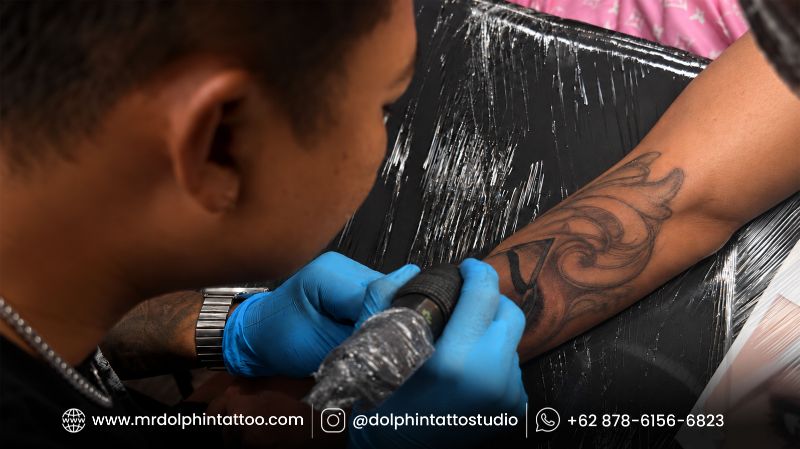
For example, a tattoo with delicate details may present different considerations from one featuring bold outlines and larger shapes.
Rather than scheduling repeated touch-ups automatically, it is better to evaluate the artwork according to its current condition.
Reducing the Need for Future Touch-Ups
Not every change in a tattoo can be prevented.
However, appropriate care can help support the appearance of the artwork over time.
Following the tattoo aftercare instructions provided by your artist is important after both a new tattoo and a touch-up.
Once the skin has healed, paying attention to sun exposure and repeated friction can also help protect the tattoo’s appearance.
A well-considered design, appropriate placement, and realistic expectations are equally important.
Tattoo care is not about guaranteeing that artwork will never change. Instead, it is about supporting healthy healing and maintaining the tattoo as well as reasonably possible.
What to Avoid After a Tattoo Touch-Up
A touch-up involves working on the skin again, so the treated area requires appropriate healing care.
Follow the instructions provided by your tattoo artist.
Depending on the location and condition of the tattoo, these instructions may include avoiding swimming, excessive sun exposure, friction, and other activities that interfere with healing.
Do not assume that a small touch-up requires no aftercare.
If you experience unusual or worsening symptoms, seek appropriate medical advice rather than attempting to correct the problem yourself.
Tattoo Touch-Up Consultation at MR Dolphin Tattoo in Kuta, Bali
MR Dolphin Tattoo has been part of Kuta’s tattoo scene since 1975.
If your existing tattoo has faded, lost clarity, or developed uneven areas, you can contact the studio to discuss whether a touch-up may be appropriate.
Sharing photographs of your tattoo, explaining the changes you have noticed, and describing the result you want can help begin the conversation.
The goal is to determine whether the original artwork can be refreshed effectively or whether another approach deserves consideration.
A thoughtful evaluation helps you make a decision based on the tattoo’s condition rather than assuming that every change requires additional ink.
Frequently Asked Questions About Tattoo Touch-Ups
When Can a New Tattoo Be Touched Up?
A new tattoo should generally be evaluated after the healing process is sufficiently complete. This allows the artist to assess the artwork’s condition more accurately. The appropriate timing varies according to the tattoo and individual healing circumstances.
Can a Tattoo Be Touched Up More Than Once?
Yes, a tattoo may be touched up more than once. However, each additional session should be considered according to the artwork’s condition and whether further work is likely to provide a useful improvement.
Is a Touch-Up the Same as a Cover-Up?
No. A touch-up refreshes selected parts of an existing tattoo while preserving its design. A cover-up uses new artwork to change or conceal the previous tattoo.
Should I Return to the Tattoo Artist Who Created My Original Tattoo?
Returning to the original artist can be a good option because they may already understand the artwork’s design and technique. Another experienced artist can also evaluate the tattoo if the original artist is unavailable.
Are Touch-Ups Only Done on Old Tattoos?
No. A relatively new tattoo may also need selected areas evaluated after healing. The decision depends on the condition of the artwork rather than its age alone.
Does Every Faded Tattoo Need a Touch-Up?
No. Some fading or softening may be acceptable to the tattoo owner. A touch-up is worth considering when the changes affect the appearance you want to maintain and additional work is likely to improve the result.
Can a Touch-Up Fix Blurred Tattoo Lines?
Not always. Some lines may be reinforced, but additional ink cannot necessarily restore separation between details that have already spread together. An artist should evaluate the limitations before recommending further work.
Is It Time to Refresh Your Tattoo?
A tattoo touch-up can help maintain the appearance of artwork you still love.
However, the decision should depend on the condition of the tattoo, the changes you have noticed, and the result you want to preserve.
Some tattoos benefit from targeted adjustments. Others may not need additional work, while more significant design changes may call for a different approach.
If you are unsure whether your tattoo needs refreshing, contact MR Dolphin Tattoo in Kuta, Bali and share your existing artwork for an initial consultation.